

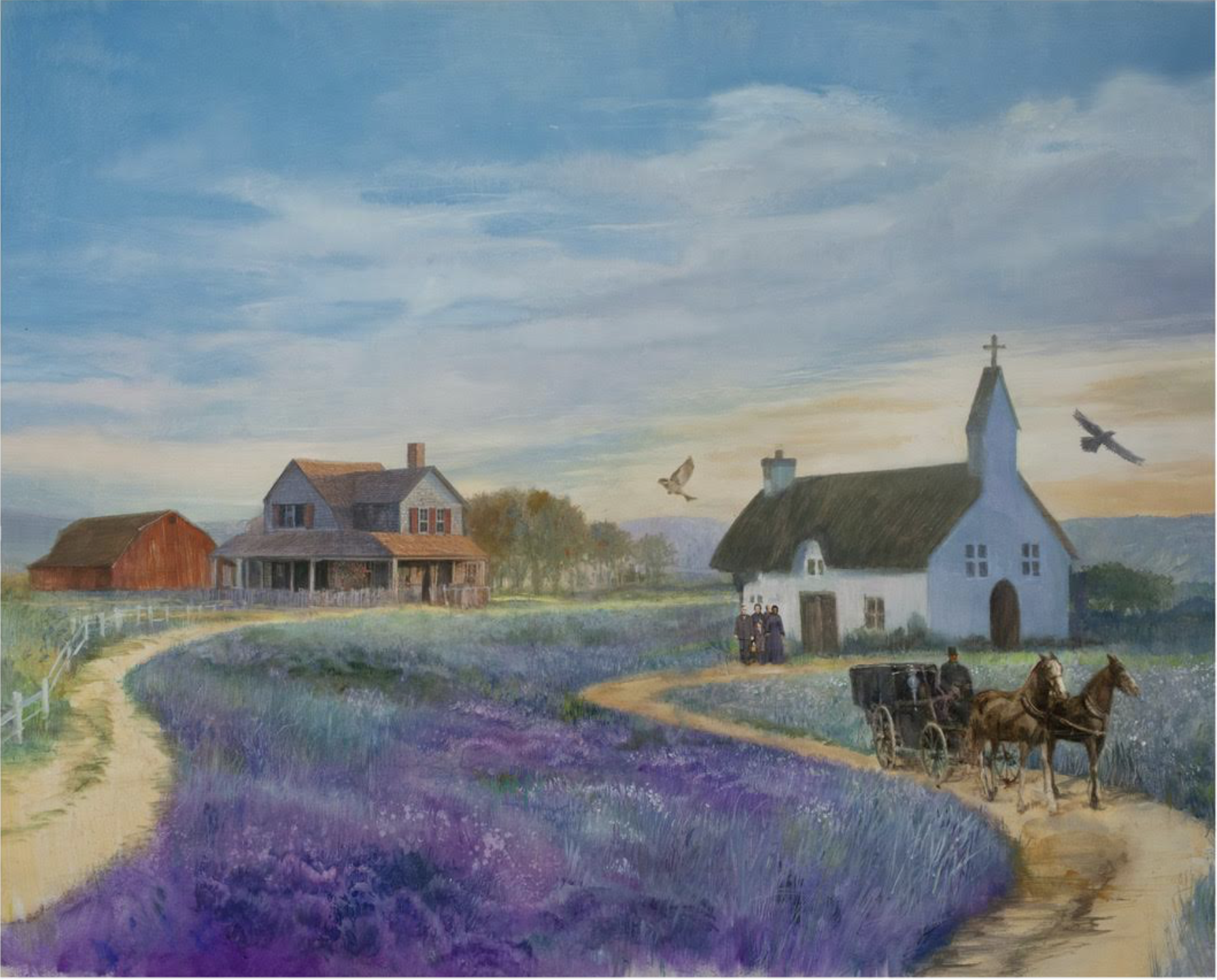
Elcira Cranberry's Legacy
Elcira Cranberry's Legacy
The Next Book in the Cranberry Family Series has arrived!
This is a historical fiction family saga set in 19th‑century New England.
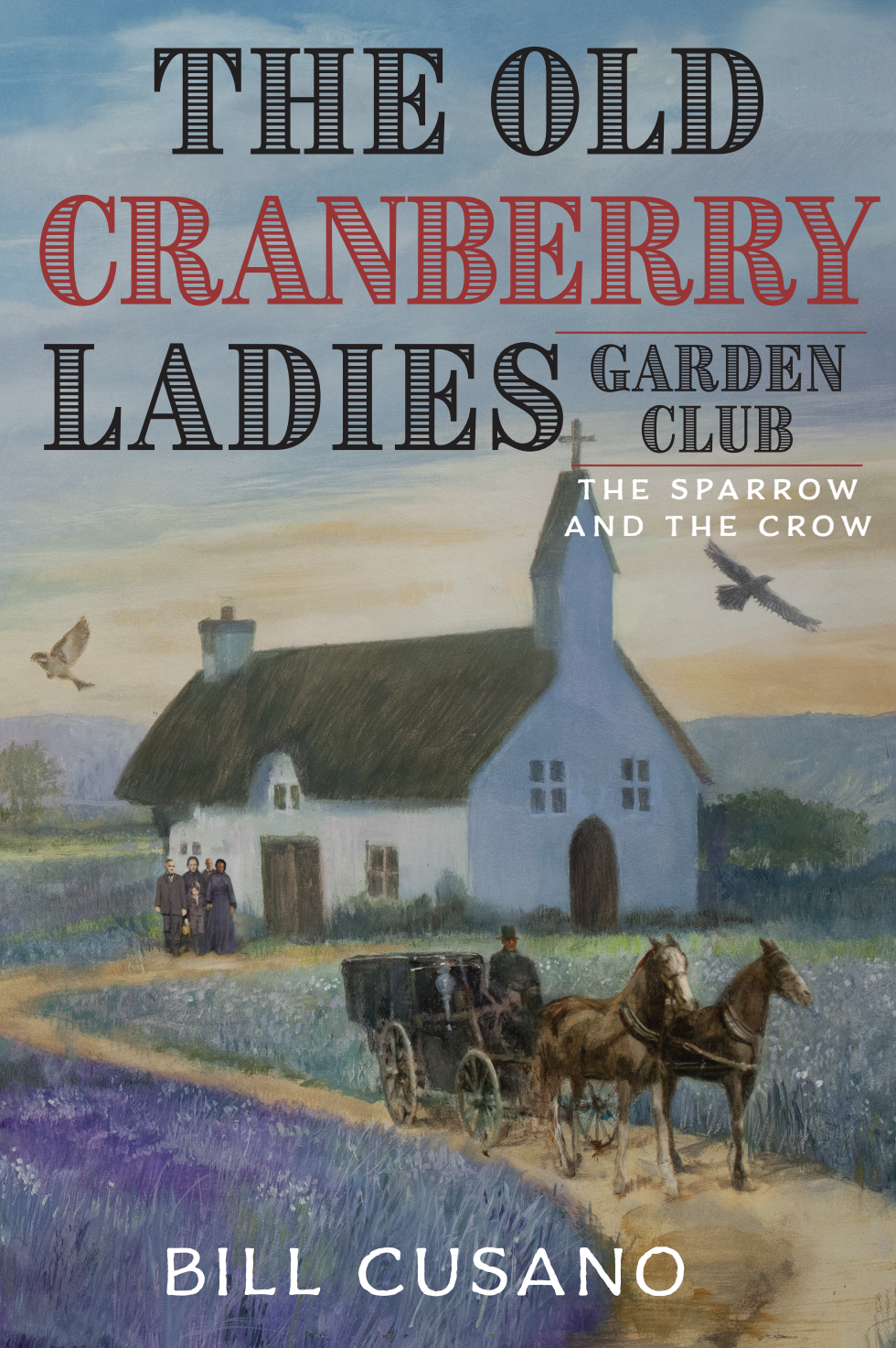
The Old Cranberry Ladies Garden Club Series
Visit the Books page for more info
THE WORLD OF THE NOVEL
You might enjoy The Old Cranberry Ladies Garden Club series by Bill Cusano, a family-centered historical saga set in early 19th‑century New England. The series blends mystery and history as generations of the Cranberry family confront a long-buried murder, community suspicion, and the moral risks of supporting the Underground Railroad. The books focus on resilience, family loyalty, and historical injustices, with violence tied to the era and no explicit sexual content.
At the center of the novel stands Cranberry Farm, a prosperous Connecticut property built over two generations by a family whose moral geography does not map neatly onto the political geography of the era. Elcira Cranberry — widow, matriarch, and the woman the town has whispered about as "the widow murderess" for thirty years — has managed to hold her family, her farm, and the Ladies Garden Club together through sheer force of character, careful management of information, and an instinct for knowing which secrets to keep and which to let breathe.
The Old Cranberry Ladies Garden Club is not merely a social organization. Under Elcira's quiet direction, it has become a community institution — an economic engine, a moral compass, and, for select members, a discreet and steady participant in the Underground Railroad. The novel tracks what happens when that careful world is disrupted simultaneously from without (the coming war, the departure of the men, the arrival of slave catchers in Northern territory) and from within (illness, inheritance, old lies surfacing, a young man who cannot stay neutral).
Women's power in constrained spaces runs through the entire novel. The Ladies Garden Club is not coincidentally named — it operates through the very structure of social expectation that would dismiss it. Elcira's authority is real, but it exists entirely outside formal institutional channels. Deborah's knowledge is real, but she must find oblique ways to deploy it. Penelope confronts Garfield not through legal action but through a private confrontation in his own church. Lila and Dana's significance is invisible to Garfield precisely because he cannot see women as agents. The novel is not making an anachronistic feminist argument — it is making a historically grounded observation about where power actually resided in 1861 New England, and who held it.
The mechanism of complicity — how ordinary people become participants in systems of exploitation without ever making a single dramatic decision to do so — is rendered through Garfield, through Lorraine, through the members of the Ladies Garden Club who take years to extend their moral circle to include freed workers. The novel does not let any of its characters off easily. Even its most admirable figures are shown in moments of convenient blindness.